A referral does not mean your case is bad. It means your dentist wants it to receive specialist attention.

Common reasons
- Complex, calcified or curved canals
- Retreating a tooth that has been treated before
- Pain whose source is hard to identify
- Dental injuries
- A need for a microscope, cone-beam CT (CBCT) or microsurgery
What happens next
I diagnose, treat the tooth, and then update your dentist with a brief report. You will usually return to your dentist for the final restoration. That teamwork protects the result of treatment.
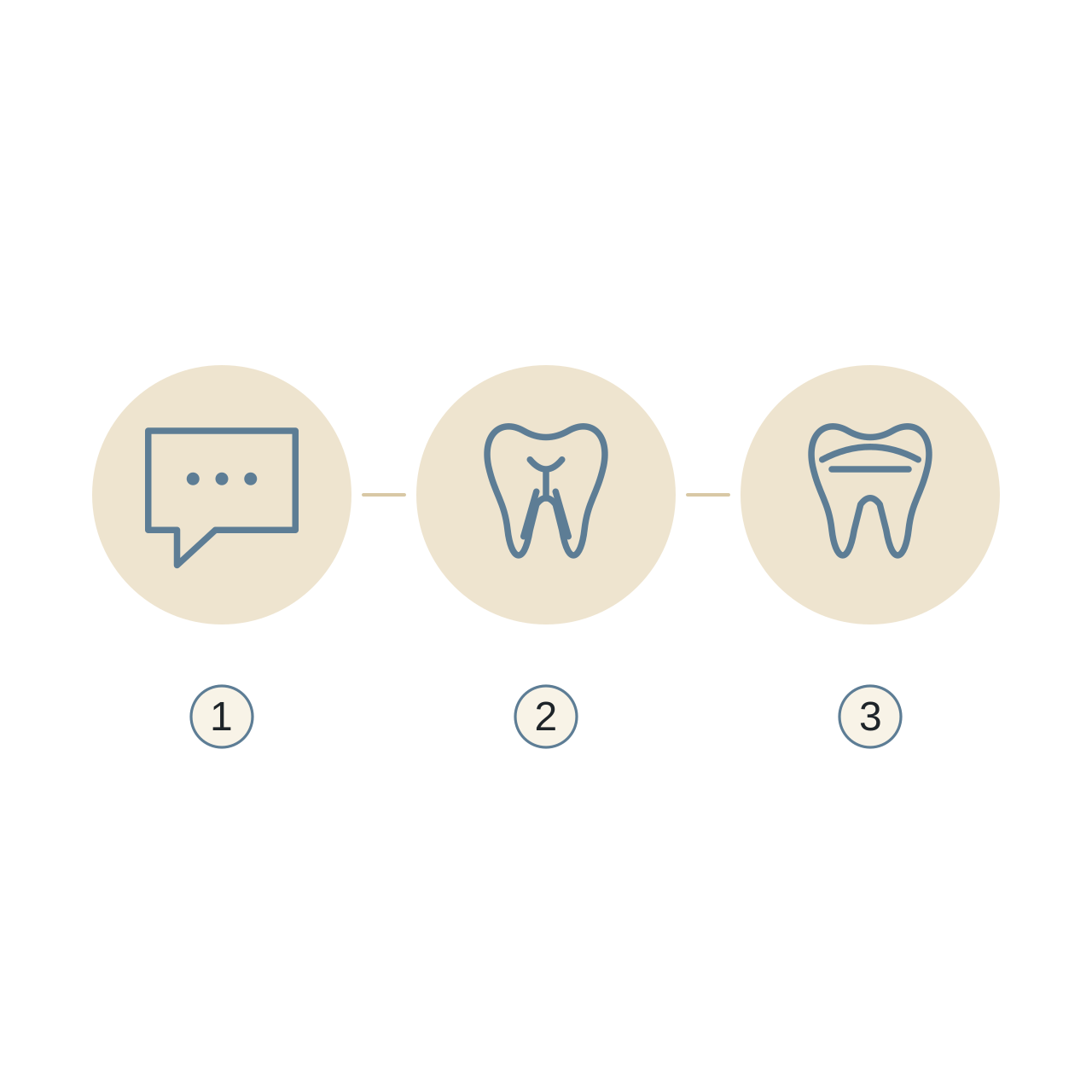
- Referring dentist
Sharing information about your care.
- Specialist care
According to the diagnosis and plan.
- Completing restoration
In coordination with the treating dentist.
Related reading


Core treatments

Medical notice: the information here is for general health education and is not a substitute for an examination and assessment by a dentist. If you notice any symptoms or changes in your teeth or gums, even if they seem minor, do not ignore them; consult a dentist to assess them and decide whether they need treatment.